If Ecuador wants to speak seriously about economic development, job creation, and fiscal sustainability, the starting point is clear: private investment. Without investment, there is no sustained growth, and without growth, any social, fiscal, or redistributive policy becomes structurally unfeasible.
The numbers confirm this. In 2024, Foreign Direct Investment (FDI) in Ecuador reached only USD 443 million, marking a significant decline compared to the previous year and placing the country far below its regional peers. Colombia, for example, attracted more than USD 14 billion in the same period. Ecuador does not even reach 1% of the regional flow, a warning sign that cannot be ignored.
The lag in investment is not due to a lack of economic potential. Ecuador has strategic sectors capable of attracting significant capital, as long as there are clear rules, timely decisions, and a predictable institutional environment.
The investor does not look for speeches; they look for certainty.
— Mónica Heller
Mining: from ideological debate to efficient management
In mining, the discussion should no longer be ideological. The real question is whether the country chooses legal, responsible, and transparent mining, or allows informality and illegality to continue occupying that space.
In 2024, industrial mining generated thousands of formal jobs and exports close to USD 3 billion, with high-potential projects still in the exploration phase. The main bottleneck is not technical or environmental, but administrative: delays in licenses, contracts, and decision-making by the State.

Oil: private investment and modern contractual models
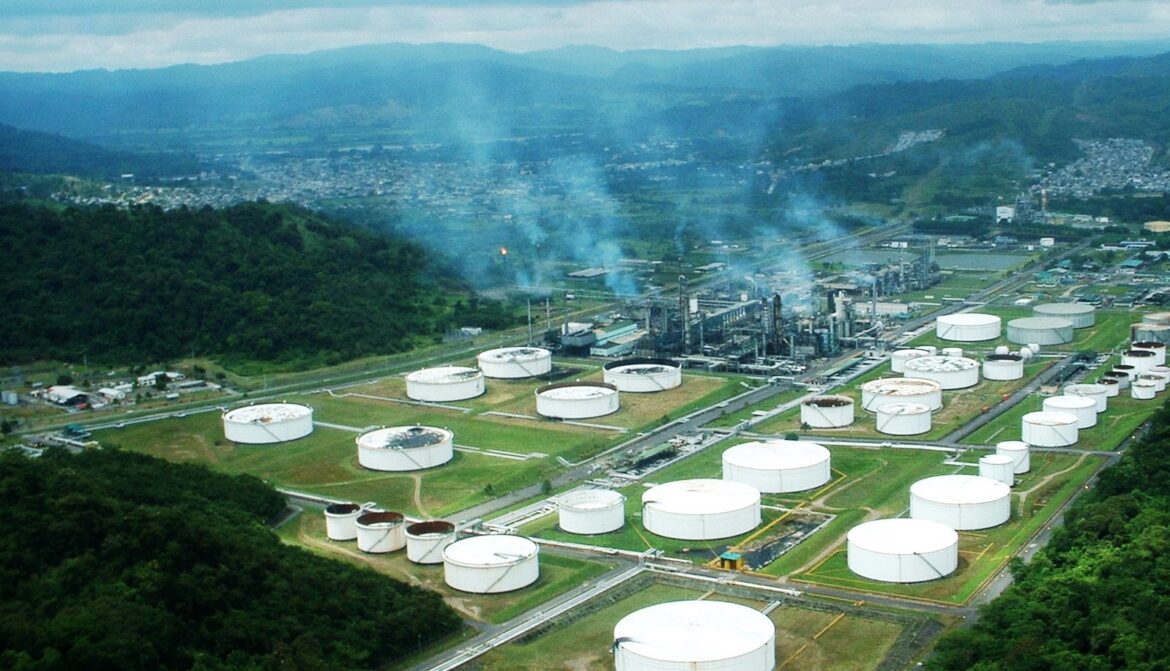
In the oil sector, the situation is equally clear. Production has steadily declined over the past decade, while decisions such as the suspension of exploitation in Yasuní have created a fiscal impact exceeding USD 1 billion annually.
The challenge is not ideological, but economic and technical: attracting private investment through modern, competitive contractual models aligned with international standards, enabling sustained production and reducing fiscal pressure.
Sectors with high investment potential
Relevant opportunities also exist in:
-
Infrastructure
-
Energy
-
Technology and innovation
-
Special economic zones
-
Sustainable construction
In all these sectors, capital seeks the same: predictable environments, legal certainty, and clear rules.

Ecuador cannot continue relying on favorable external conditions or debt. The only sustainable path is to strengthen its productive fabric and attract long-term private investment.
The potential exists. The sectors are identified. The talent is available.
What is missing is political will, institutional coherence, and strategic vision.
Unlocking investment is not a concession to capital. It is a direct bet on employment, economic stability, and the country’s future.